
BS EN 1366 fire and smoke ductwork guidance
Everything you need to know about EN 1366 ductwork
Independent UK guidance to BS EN 1366-1, -8 and -9, covering fire-resisting and smoke extract ductwork, classifications, supports, penetrations and evidence.
- Choose BS EN 1366-1, -8 or -9.
- Check size and orientation evidence.
- Confirm construction and pressure limits.
- Verify supports and penetrations.
- Check the protection system evidence.
Core topics
A practical route through BS EN 1366-1, -8 and -9
Compare the main fire-resisting and smoke extract ductwork routes, then check the project-specific evidence.
 01
01
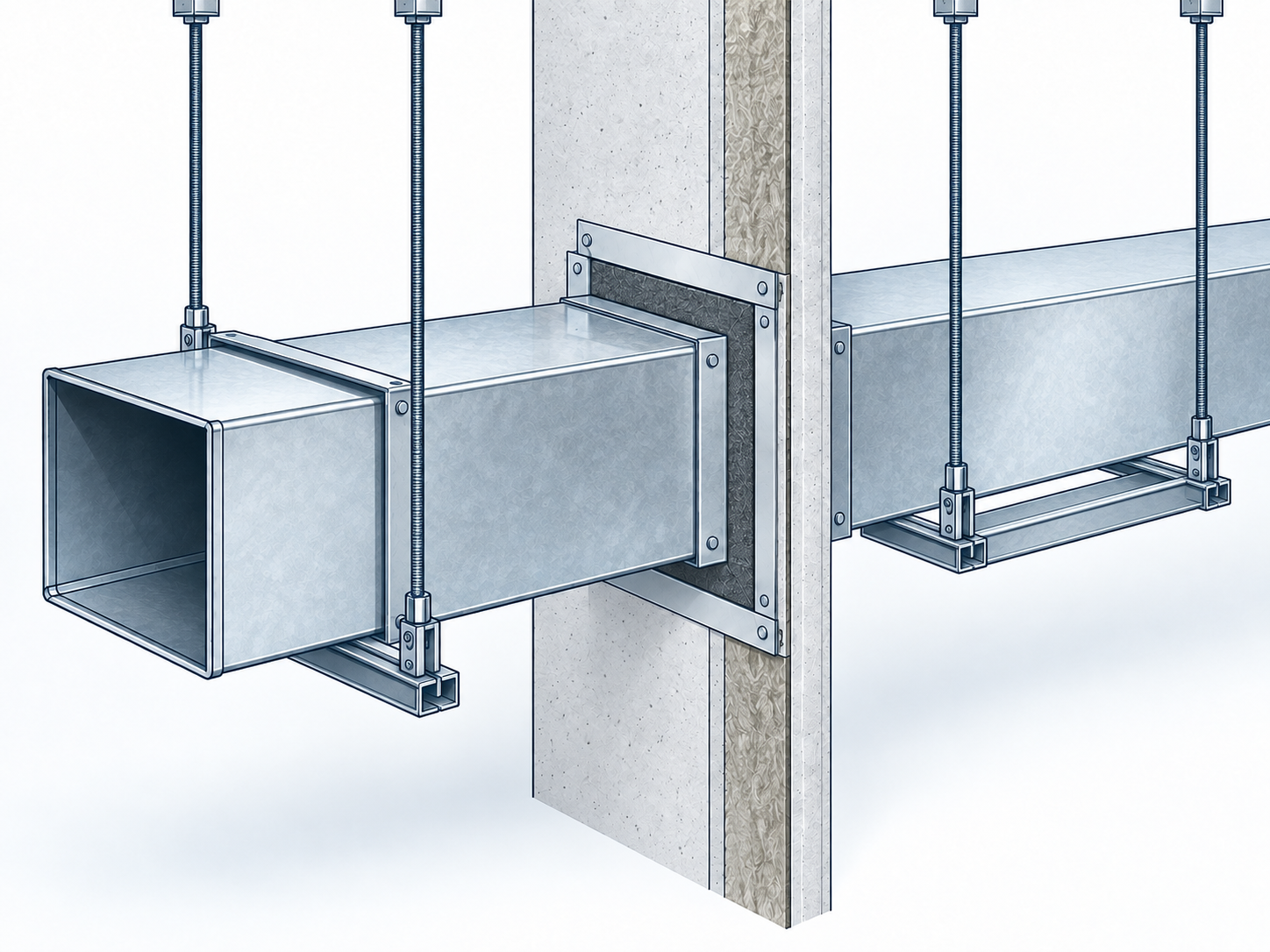
BS EN 1366-1
Fire resisting ventilation ductwork and the evidence normally reviewed for construction, supports and fire protection.
 02
02
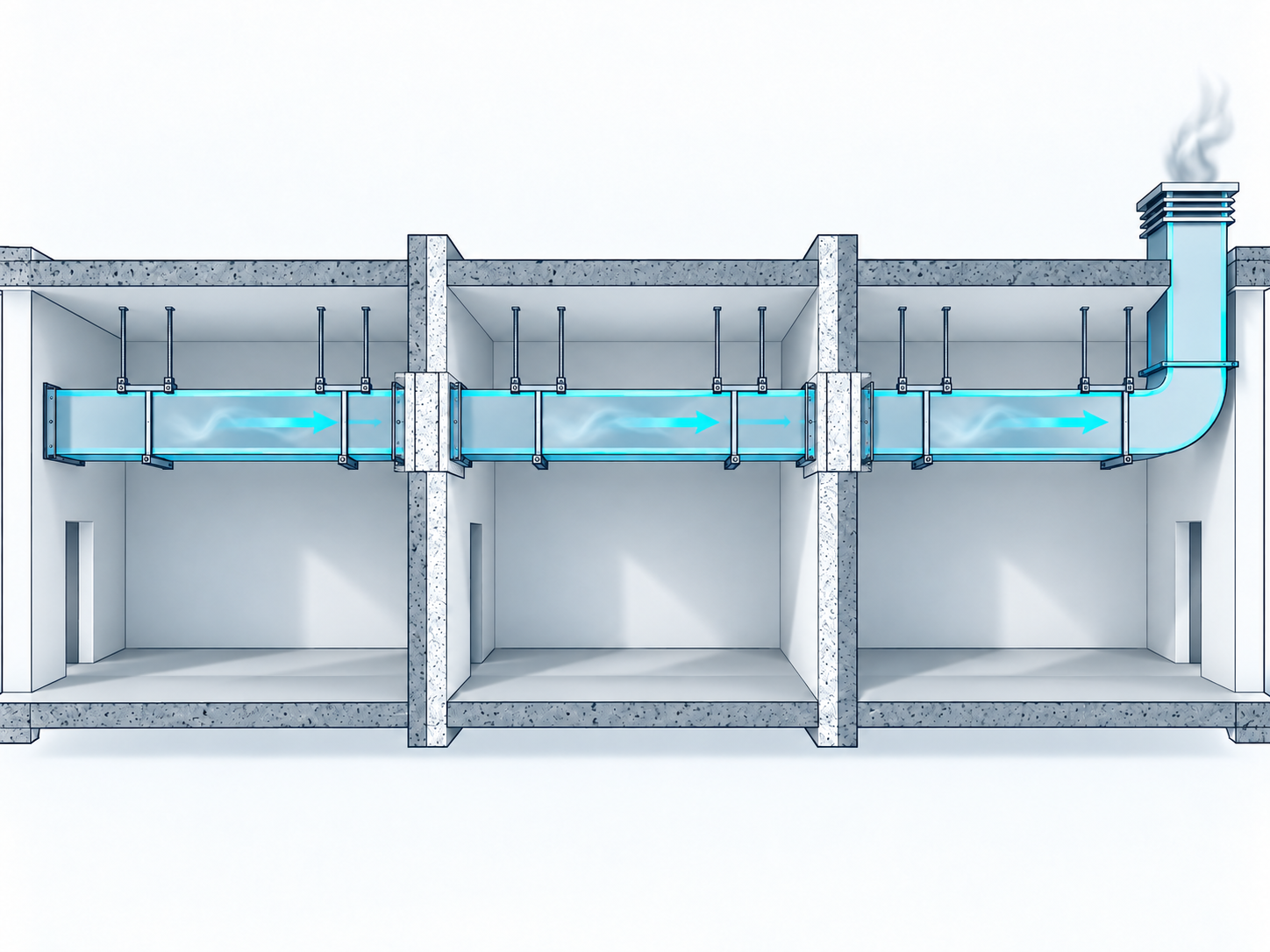
BS EN 1366-8
Multi-compartment smoke extract ductwork, pressure and coordination with BS EN 12101-3 smoke fans.
 03
03
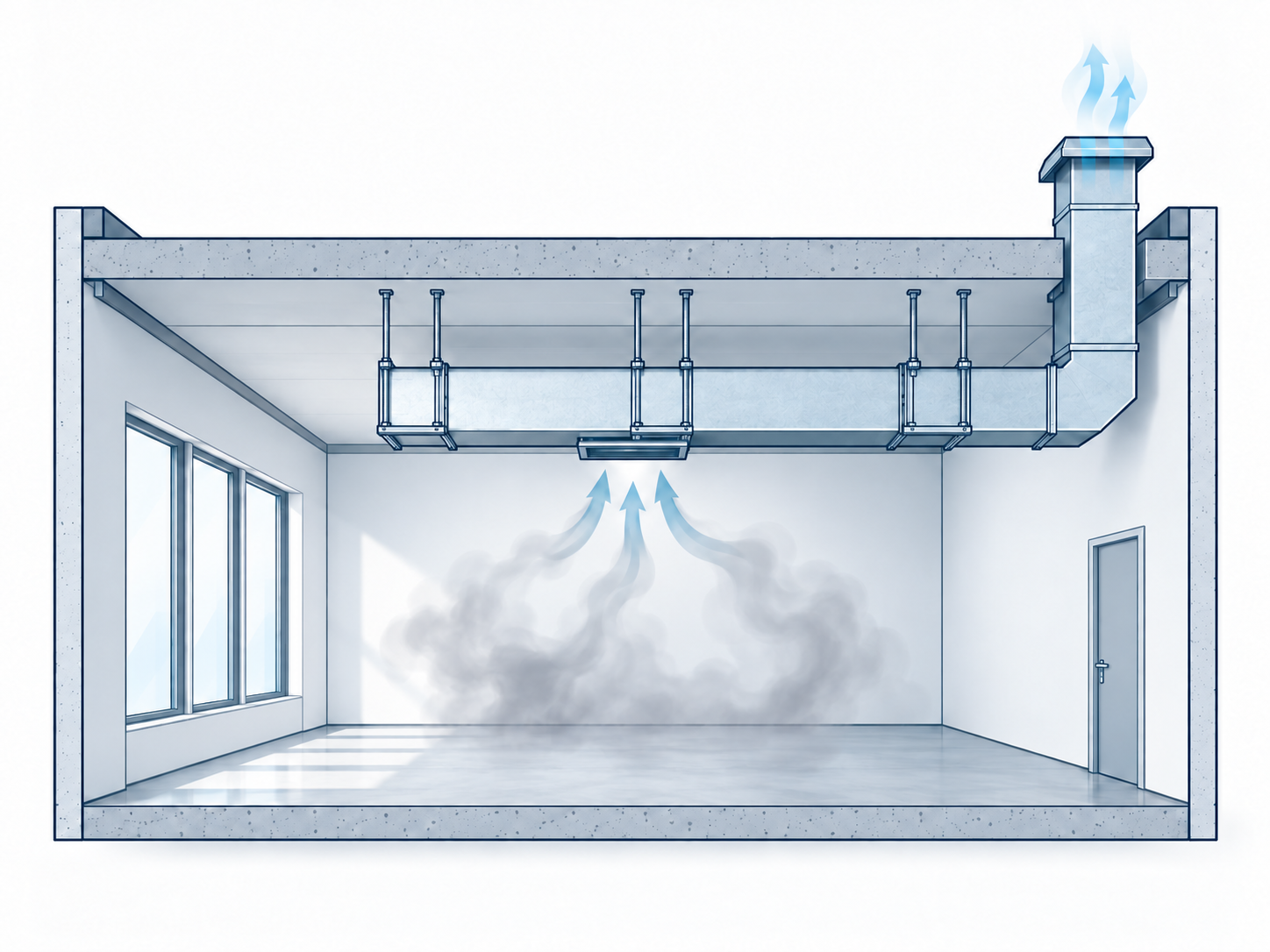
BS EN 1366-9
Single-compartment smoke extract ductwork, size limits and coordination with the selected smoke extract fan.
No overclaiming
Compliance is a system issue, not just a ductwork label.
A ductwork project should be checked against the correct standard part, tested system, construction details, installation method, support arrangement, penetration treatment and certification evidence.
Checklist approach
What project teams should confirm
1. Intended use
BS EN 1366-1 fire-resisting ventilation, BS EN 1366-9 single-compartment smoke extract or BS EN 1366-8 multi-compartment smoke extract.
2. Tested system
Check that the proposed construction sits within the relevant test evidence and field of application.
3. Duct construction
Material, gauge, seams, joints, pressure class, access doors and section lengths should align with evidence.
4. Installation details
Supports, penetrations, insulation thickness, overlaps and fixing method can be as important as the duct itself.
PROJECT SUPPORT
Need practical ductwork support?
Send DuctFix the route, duct sizes, required fire and smoke performance, smoke fan duty and available evidence for an initial project discussion.